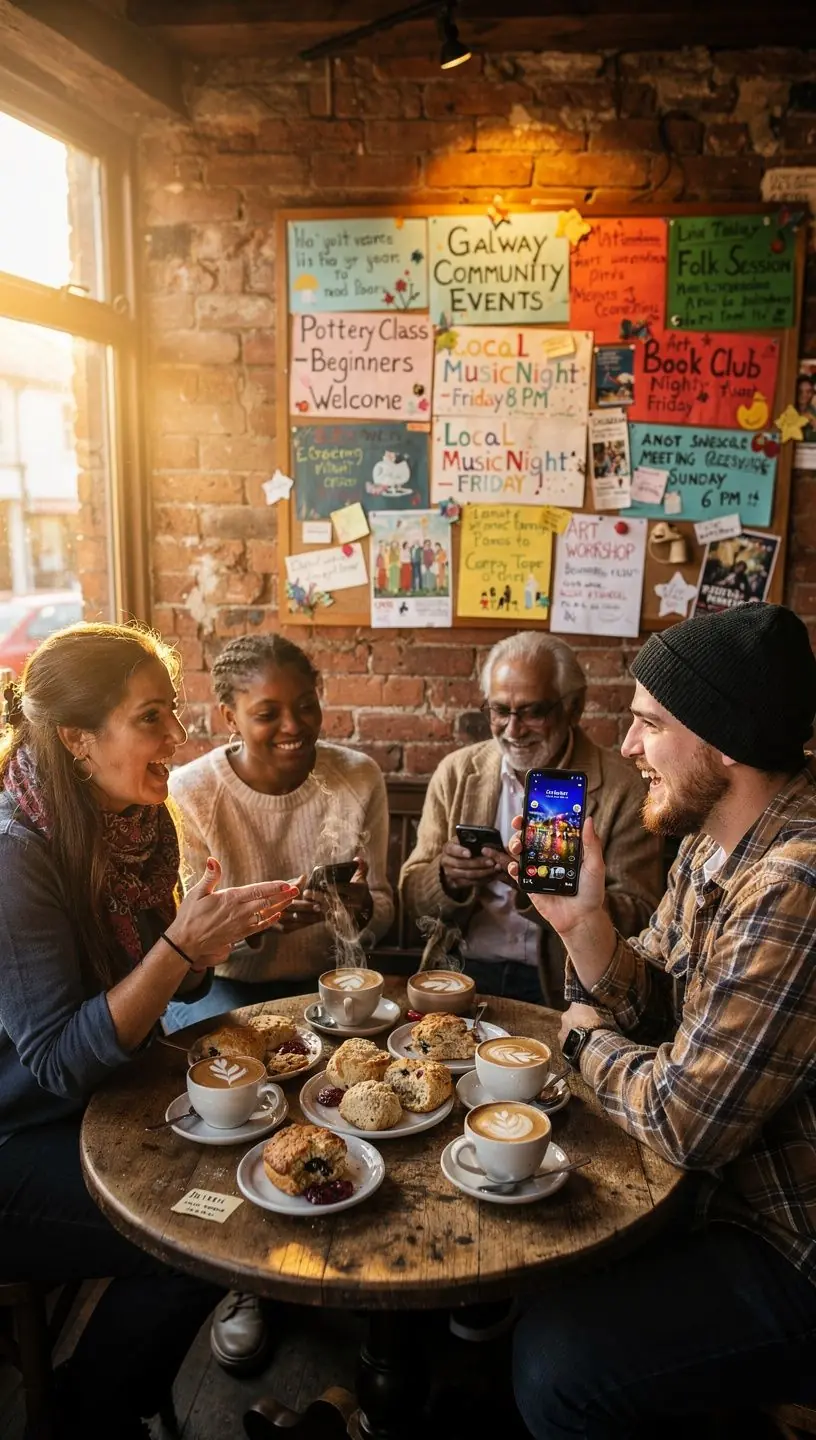
How to Organize a Neighborhood Meet-Up Effectively
Organizing a neighborhood meet-up can be a rewarding way to foster community spirit and build relationships among residents. However, achieving a successful event requires planning and consideration of various factors. This article will guide you through effective strategies to ensure your meet-up is engaging and enjoyable for all participants.
Understanding the Basics of Organizing
According to community development experts, successful neighborhood events often share common traits that encourage participation. These include clear communication, thoughtful planning, and a welcoming atmosphere. It typically involves several steps to lay a strong foundation for your meet-up.
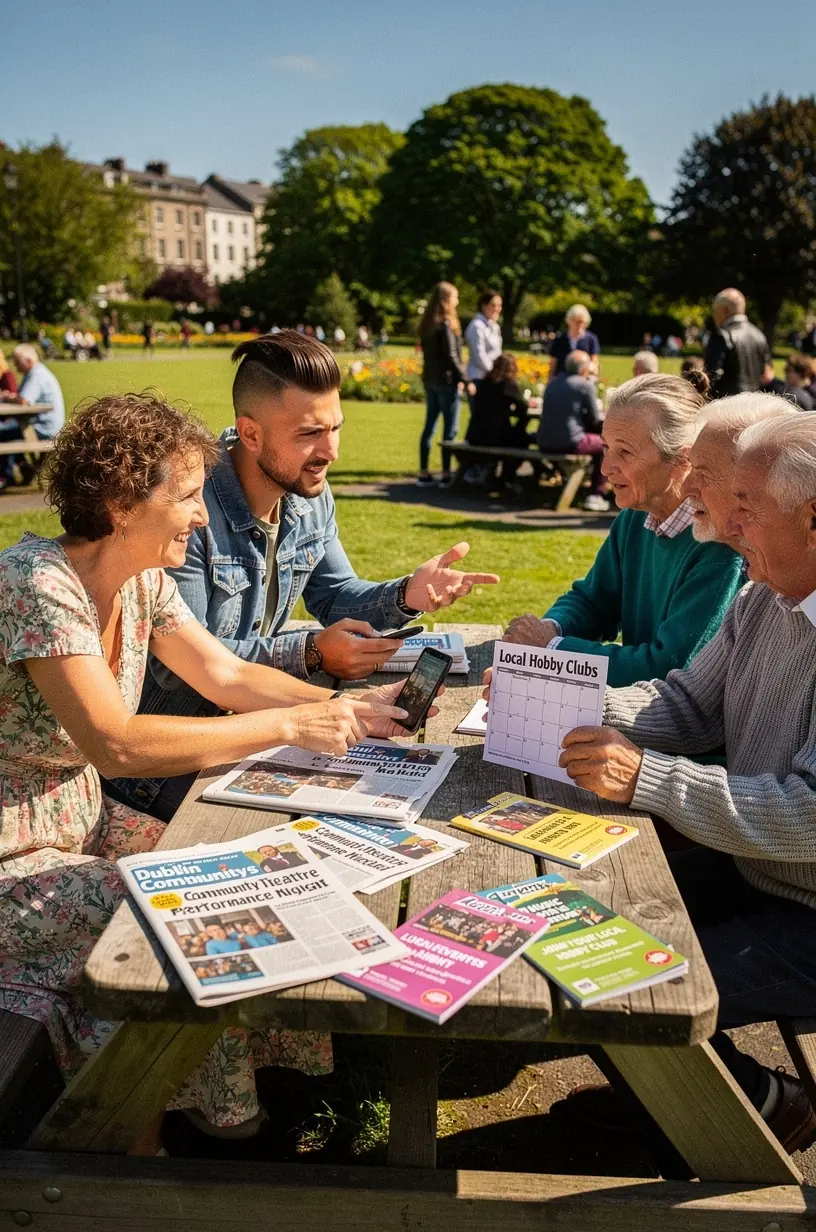
"A well-organized event not only brings people together but strengthens community bonds." - Community Development Expert
Step-by-Step Guide to Planning Your Meet-Up
Here are some key steps to consider when organizing a neighborhood meet-up:
- Define the Purpose: Clearly identify the goal of your meet-up. Whether it’s to discuss community issues, share hobbies, or simply socialize, having a defined purpose can guide your planning process.
- Choose the Right Date and Time: Research shows that weekends are often the most suitable times for community gatherings. Poll your neighbors to find a date and time that accommodates the most participants.
- Select a Location: The venue should be accessible and comfortable for all attendees. Parks and community centers are often popular options as they provide ample space and facilities.
- Promote Your Event: Utilize social media, local bulletin boards, and flyers to spread the word. Experts recommend creating a Facebook event or using platforms like Nextdoor to engage with your neighbors effectively.
- Plan Activities: Incorporate a mix of structured activities and casual time for networking. Many successful meet-ups include icebreakers or games that can facilitate introductions.
- Gather Feedback: After the event, ask participants for their thoughts. This can help you improve future meet-ups and ensure that you are meeting the community's needs.
Acknowledging Challenges and Limitations
While organizing a neighborhood meet-up can be enjoyable, it may also present challenges. For instance, it often requires a time commitment of several weeks, and you may need to coordinate with various stakeholders. Additionally, not everyone may be able to attend due to scheduling conflicts or personal circumstances. Acknowledging these limitations can help set realistic expectations for both you and your neighbors.
Conclusion: Building Community Connections
In conclusion, organizing a neighborhood meet-up can be a fulfilling endeavor that fosters connections and strengthens community ties. By following these strategic steps, you can create an event that not only meets your objectives but also enhances the quality of life for your neighbors. Remember, the ultimate goal is to create a welcoming environment where everyone feels included and valued.
As you plan your next meet-up, keep in mind that while challenges may arise, the rewards of building a close-knit community far outweigh the obstacles. Happy planning!
Discover More